Overview of Geofoam
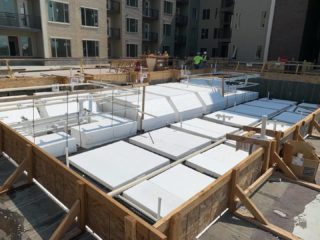
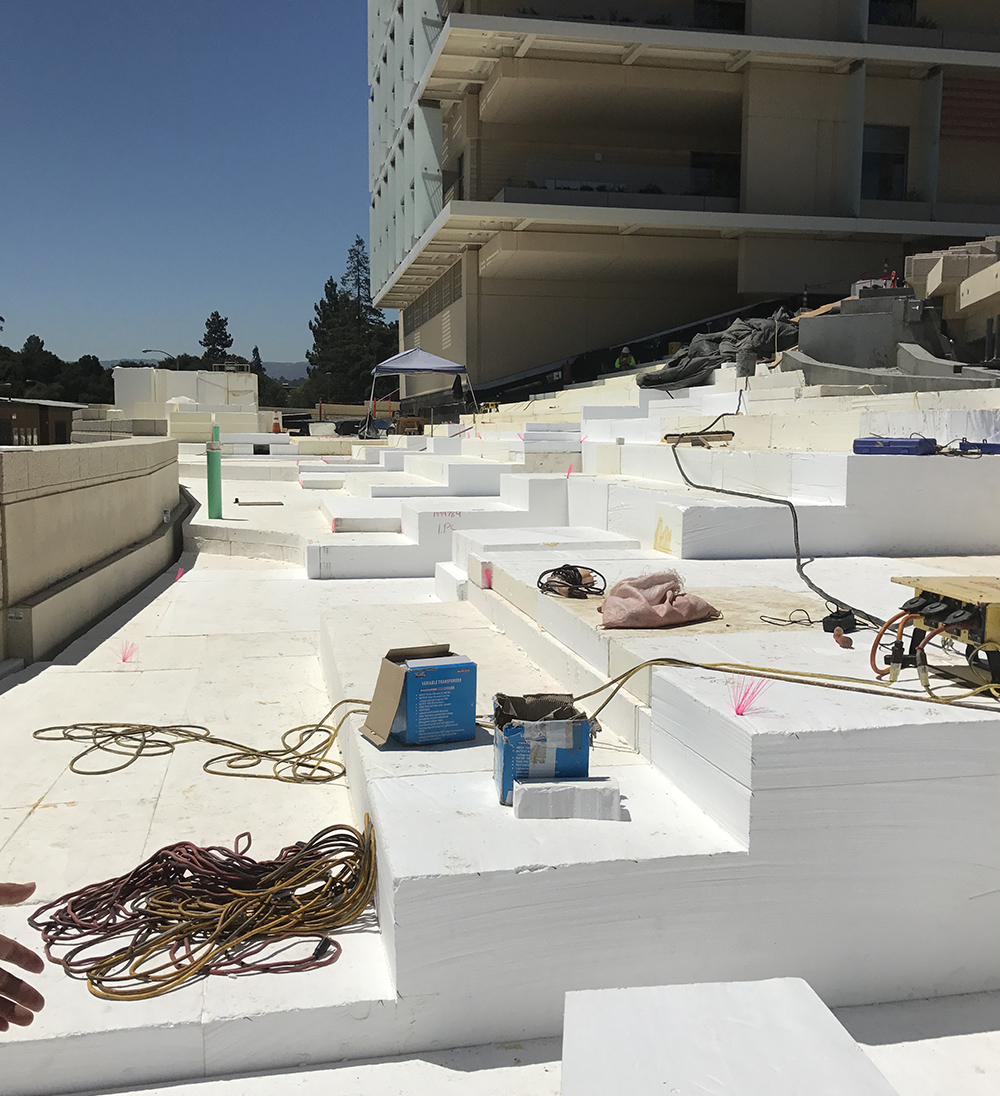
Geofoam is a high-performance, lightweight fill material composed of expanded polystyrene (EPS) with a density typically ranging from 1 to 3 lb/ft³ (16 to 48 kg/m³). Due to its unique properties, Geofoam is increasingly utilized in geotechnical and structural engineering applications. Geofoam is primarily made from expanded polystyrene (EPS), a closed-cell foam that provides excellent insulation and lightweight characteristics. The manufacturing process involves the expansion of polystyrene beads, which are then molded into blocks or sheets. Manufacturing Process: The beads are heated and expanded using steam, allowing them to fuse together into a solid form. This process can be controlled to produce different densities and thicknesses, making Geofoam adaptable for various applications.
Technical Properties of Geofoam
Density & Compressive Strength
Geofoam exhibits low density, significantly reducing the load on underlying soils. Compressive strength values can range from 15 to 40 psi (103 to 276 kPa), making it suitable for various applications.
Thermal Conductivity
With a thermal conductivity of approximately 0.020 to 0.030 BTU·in/(hr·ft²·°F) (0.028 to 0.043 W/(m·K)), Geofoam provides excellent insulation, minimizing heat transfer.
Water Absorption
Geofoam is hydrophobic, with water absorption rates below 1%, ensuring durability in wet conditions and preventing degradation.
Chemical Resistance
The material is resistant to a wide range of chemicals, making it suitable for use in various environments, including contaminated sites.

Applications of Geofoam in Engineering
1. Lightweight Fill in Earthworks
Utilized in highway and railway embankments where soil loads must be minimized to prevent settlement and lateral movement.
2. Insulation in Foundation Systems
Used in building foundations and slabs to provide thermal resistance and reduce heat loss, contributing to energy-efficient designs
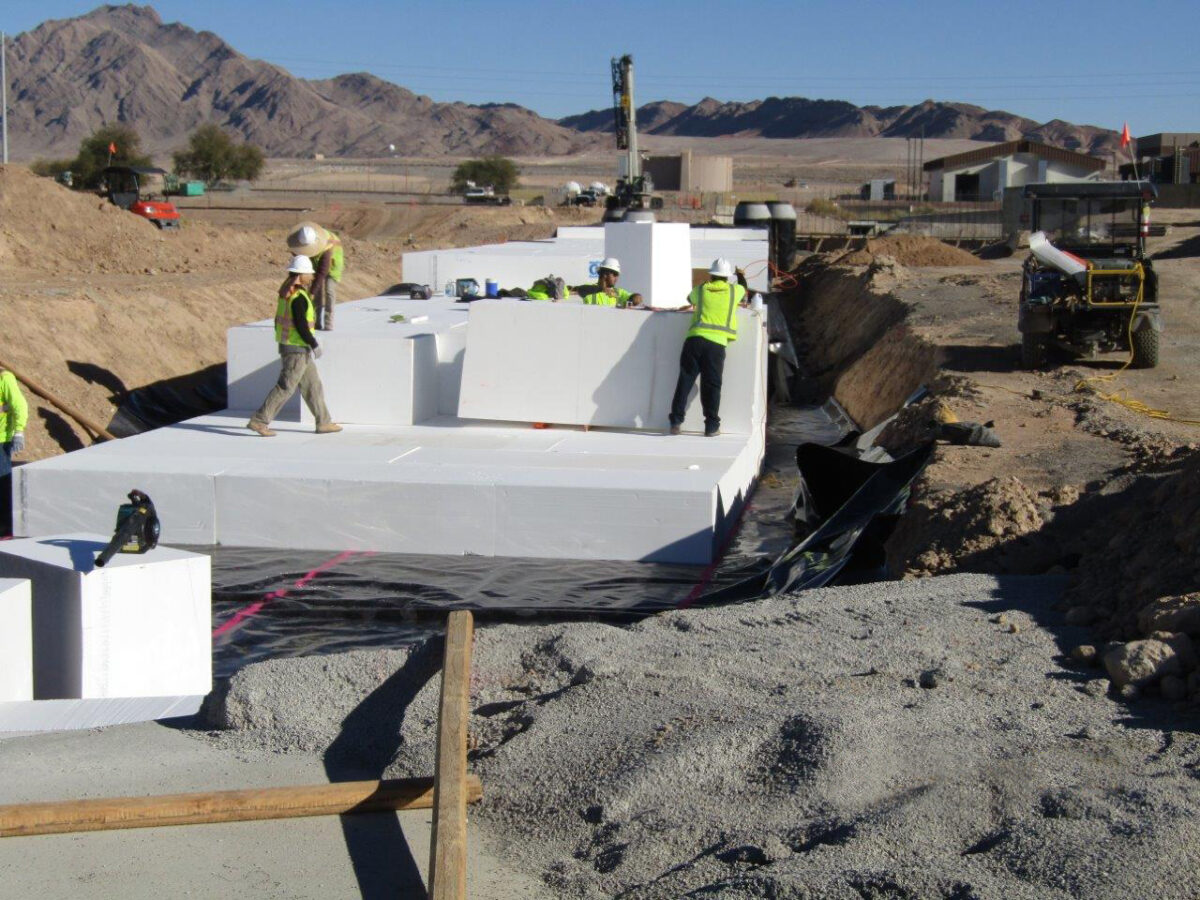
3. Void Fill and Stabilization
Serves as a lightweight fill for backfilling utility trenches or as a void fill in areas with subsurface voids to maintain structural integrity.
3. Slope Stabilization
Applied in slope stabilization projects, reducing the weight of fill materials while providing necessary support to prevent landslides.
5. Retaining Structures
Acts as a lightweight backfill behind retaining walls, reducing lateral earth pressures and enhancing structural performance.
6. Roads and Highways
Used to construct embankments and subgrades where soil loads must be minimized, especially in areas with poor soil conditions.
7. Railways
Employed in railway construction to reduce the weight of fill material, minimizing the risk of settlement and improving ride quality.
7. Green Roofs
Utilized in green roof systems to support vegetation while providing thermal insulation.
Design Considerations
Load Calculations
Engineers must consider the load-bearing capacity of Geofoam in relation to the structures it supports. This includes analyzing potential compressive and shear stresses.
Installation Techniques
Proper installation methods are crucial for ensuring the performance of Geofoam in applications. This includes ensuring adequate compaction and placement techniques to prevent movement or settling.
Geofoam is a versatile and innovative material that addresses many challenges in modern construction and civil engineering. Its lightweight, durable, and insulating properties make it an ideal choice for a wide range of applications, from road construction to building foundations.